2025年の振り返り
2025年は、私たちにとって大きな出来事が二つありました。一つは、Beacon Labsを新たに立ち上げたことです。2023年から2024年まで、Fracton Researchとして活動していましたが、Fracton Venturesからスピンアウトし、Beacon Labsとして独立しました1。
活動内容としては、これまでの取り組みを継続しつつ、インクルーシブなコーディネーションデザインに関する研究開発を行っています。具体的には、公共財への資金提供に関する課題に取り組んでいます。しかし、現在公共財への資金提供に関する動きは、QFやRetro Fundingなどの実験的な取り組みが一段落し、振り返りと内省のフェーズに入っていると感じています。実際、GitcoinのCo-founderのKevin Owockiが言及しています。
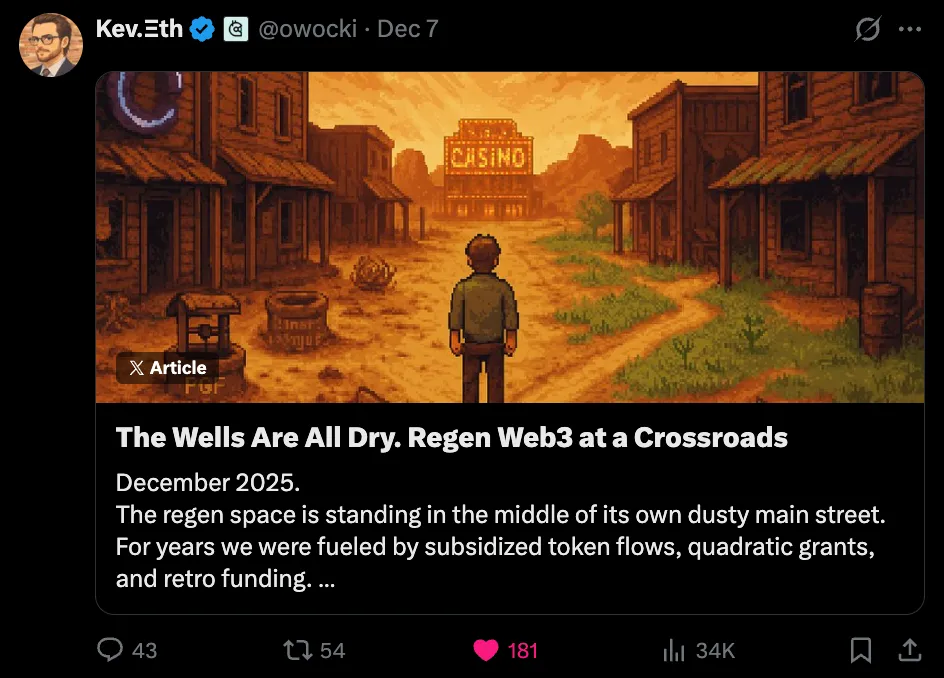
現在、資金提供のメカニズムとして、QFやRetro Fundingが著名ですが、それらのメカニズムや人気投票や助成金支給者と受給者の個人的な関係性に依存して資金提供がなされる傾向があるとされています2。人気のあるプロジェクトや特定のコミュニティにとって親しみのあるプロジェクトに対して資金提供がされることは否定しません。しかし、資金が社会的な影響のみに依存してしまうことは、必ずしも健全とは言えないでしょう。ゆえに、それぞれのプロジェクトが持っている様々な価値観を表現することによって、特定の価値観に依存することが軽減されるため、資金分配の健全さにもつながると考えています。そして、インパクト評価を行うことがそれを実現すると考えています。
インパクト評価は、Retro Fundingが説いているような「過去に役立ったプロジェクト」に対しても資金提供がなされることに通じます。しかし、Retro Fundingにおいて、インパクト評価を行うことが困難でした。多くの取り組みでは、実際に生じたアウトカムを十分に測定できず、実施した活動(アウトプット)に焦点が当たってしまう傾向があります。インパクト評価では、あるプロジェクトの実施前のアウトカムと実施後のアウトカムの差を調べることが基本となりますが、現状の分析では不十分です。インパクト評価を行うための環境が整っていないため、整備をする必要があります。
この課題意識は、私たちにとってもう一つの大きな出来事である、Beacon Labsが主導して開発している「MUSE」にもつながっています3。
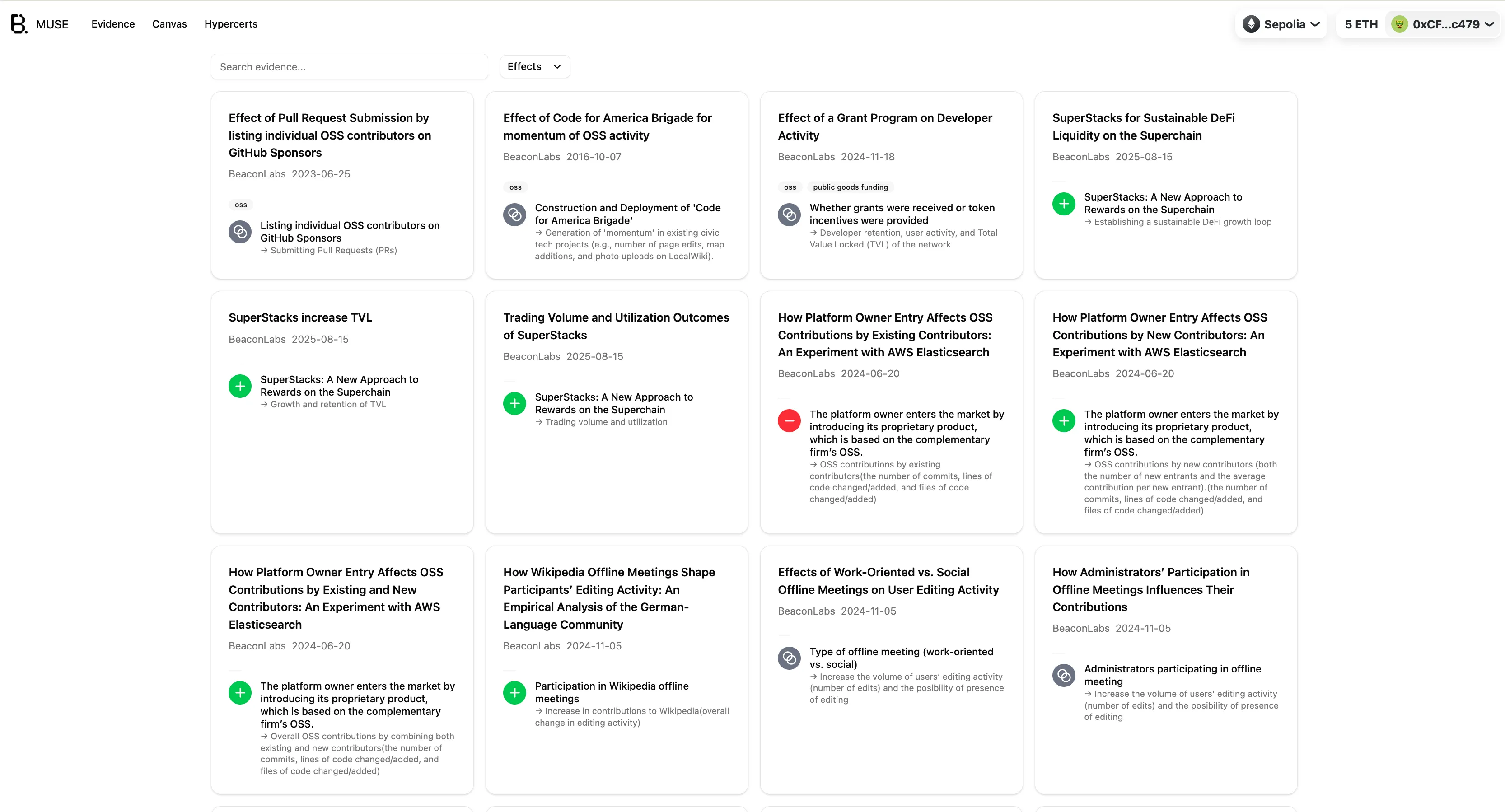
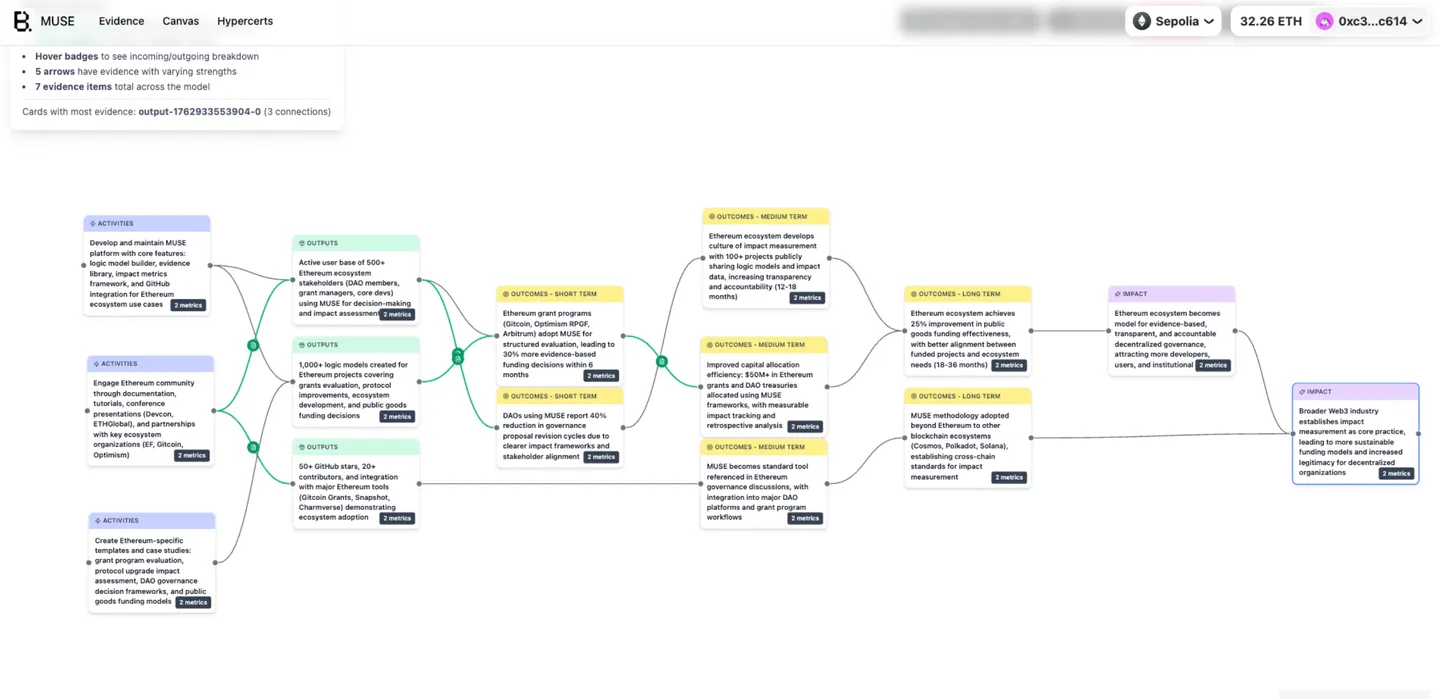
MUSEは、インパクト評価を行うために、エビデンスに基づいた計画立案を可能にするOSSです。インパクト評価の基本は、先述の通り、施策の事前・事後におけるアウトカムの比較にありますが、どのアウトカムを、どのような因果関係として捉えるかは、評価以前に施策の立案段階で定義されることになります。そのため、施策実施前の状況を正確に把握するとともに、実施後に何を測定すべきかを事前に明確にしておくことが不可欠です。
さらに、施策の実施前から実施中にかけて、データの収集・分析・モニタリングを継続的に行うことが重要です。施策立案の段階で、どのデータが、どのタイミングで取得可能かを想定しておかなければ、実施後に適切な評価を行うことは困難になります。また、施策が実施されなかった場合に想定されるアウトカム、いわゆる反実仮想を考慮することも、インパクト評価において欠かせません。
MUSEを活用することで、助成金プログラムの運営やOSS開発といった施策について、その因果関係を明示した計画(ロジックモデル)を作成することが可能になります。これは、評価を前提とした施策立案を行うことを意味しており、評価可能性そのものを施策設計の段階で高める取り組みでもあります。さらに、こうして構築された因果モデルは、MUSEによって収集されたエビデンスによって裏付けられるため、説得力と説明責任を伴った施策立案につなげることができます。
インパクト評価エコシステムへの貢献
私たちは、MUSEの開発やそれに付随するリサーチを通じて、デジタル公共財のインパクト評価エコシステムに貢献していました。
7月〜8月にかけて、アイスランドで開催されたImpact Evaluation Research Retreat(IERR)に参加しました4。IERRは、Impact Evaluator(IE)フレームワーク、評価メカニズム、そして分散型資金配分システムに焦点を当てた、集中的かつ深い議論を行う研究リトリートです。このリトリートは、Protocol LabsやGainForest、Ethereum Foundationという、インパクト評価とpublic goods fundingメカニズムの最前線で活動する組織のメンバーによって主導されました。参加者はブロックチェーン領域の開発者やリサーチャー、データサイエンティストだけでなく、数学者や大学教授といったアカデミアのバックグラウンドを持つ専門家まで、南極大陸を除く6大陸、世界17カ国から25名が集結しました。
11月には、Ethereum Foundation主催のDevconnect Argentinaに参加し、Funding the Commons Buenos Airesでインパクト評価におけるエビデンス活用の重要性についてスピーチをしました。
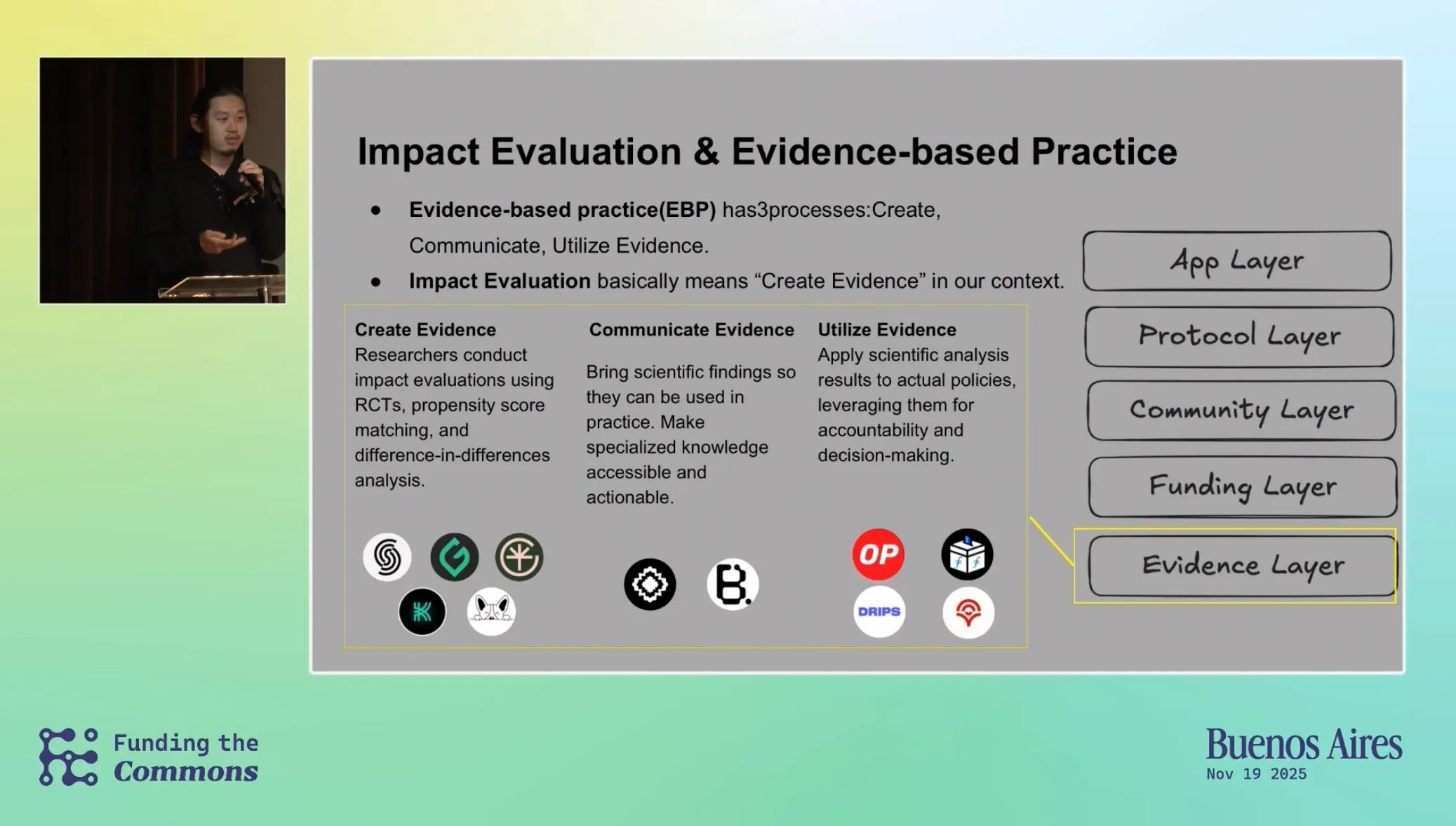
また同時期に、シビックテックカンファレンスのCode for Japan Summit 2025、Asia Pacific Evaluation Association(APEA)、日本評価学会にも参加しました。
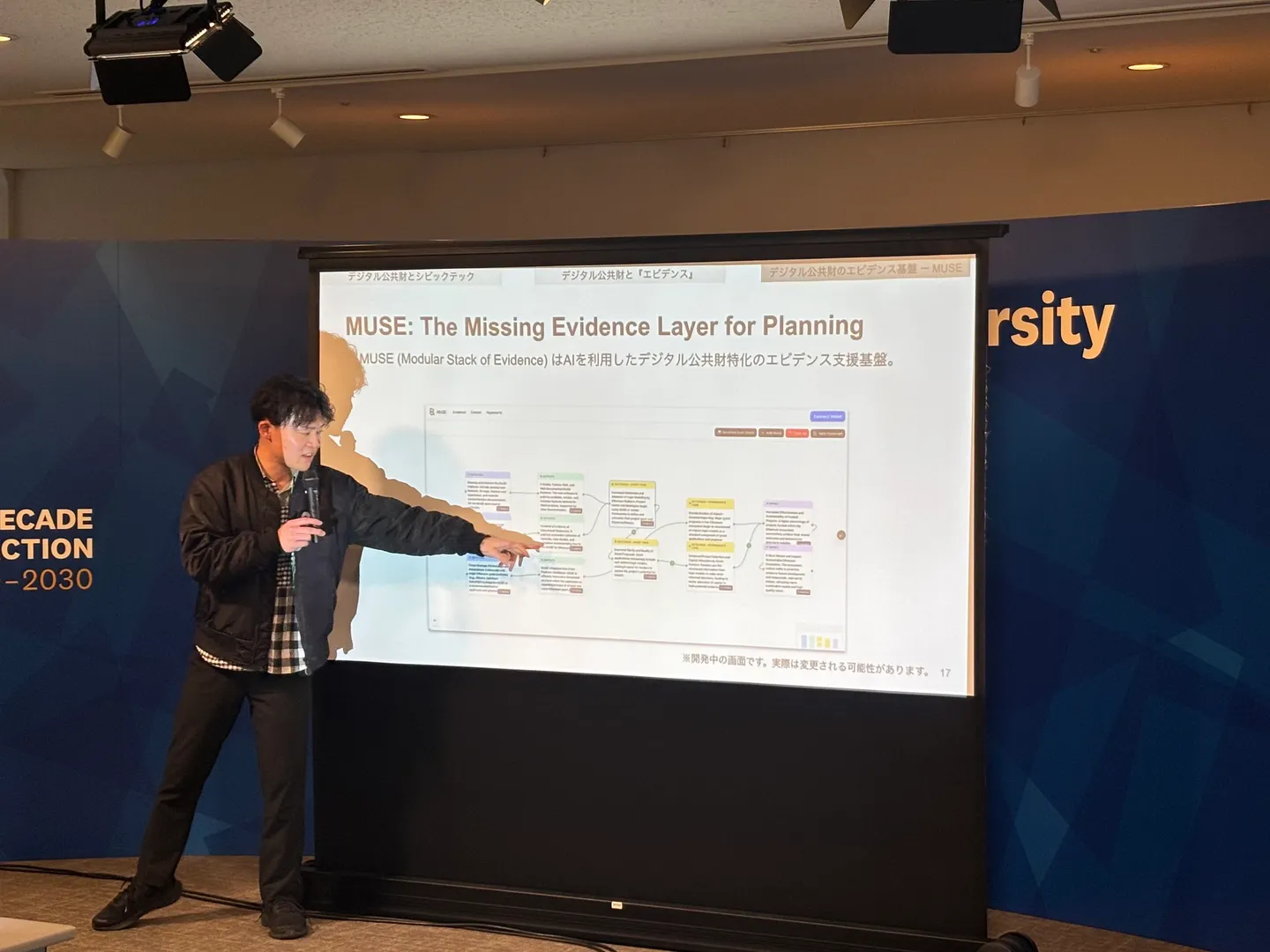
これらの機会を通じて、Ethereumエコシステムにとどまらず、デジタル公共財、EBPM、アカデミアといった領域へもリーチを広げてきた一年でした。
2026年の展望:Ethereumからデジタル公共財、そして実社会へ
来年は、Devconがムンバイ、Global Evidence Summitがブバネシュワルでの開催が予定されており、ともにインドでの開催となります。より一層、Ethereumを始めとしたデジタル公共財におけるインパクト評価の発展に寄与すると同時に、評価学会やエビデンス活用に関する学術領域にもデジタル公共財で得た知見やインサイト、方法論や実証例を還元していきたいと考えています。

QF、予測市場、Futarchyといった斬新なコンセプトが本格的に実装されてきたのは、Ethereumエコシステムにおいてでした。Ethereum上での継続的な実験を通じて、これらの概念は徐々に社会的なアダプションを獲得してきました。
一方で、インパクト評価やEBPは、実社会においても十分に根付いているとは言えず、制度化の障壁や市民ニーズの乏しさといった課題に直面しています。Ethereumエコシステムを実験場としてインパクト評価やEBPの実証が進むことで、既存制度の外側から実社会への実装を後押しする可能性があるのではないでしょうか。
Beacon Labsについて
- Website: https://beaconlabs.io/
- MUSE:
- メインネット: https://muse.beaconlabs.io/
- テストネット: https://dev.muse.beaconlabs.io/
- X: https://x.com/beaconlabs_io
- GitHub: https://github.com/beaconlabs-io
- 問い合わせ: info@beaconlabs.io
- 寄付はこちら:
- 法定通貨(クレジットカード):https://beaconlabs.io/support/
- 暗号資産:supports.beaconlabs.eth
Footnotes
-
Beacon Labs. (2025). Beacon Labs: Beacon for Pluralistic Public Goods Funding. https://beaconlabs.io/reports/beacon-labs/ ↩
-
Vitalik Buterin. (2025). d/acc: one year later. https://vitalik.eth.limo/general/2025/01/05/dacc2.html ↩
-
Beacon Labs. (2025). デジタル公共財のためのEvidence Layer. https://beaconlabs.io/reports/evidence-layer-for-digital-public-goods/ ↩
-
Shuhei Tanaka. (2025). Impact Evaluator Research Retreat 2025 参加レポート. https://beaconlabs.io/reports/ierr2025/ ↩